Truly Ardennes · History · 2 min read
Hunting in the Ardennes: forest, stag and horn
In the Ardennes the forest was never just scenery. It was larder, royal domain and sacred ground. Follow the history of hunting and along the way you hear a horn, a stag's call and a legend.
The great forest
The Romans called it Arduenna silva, and Caesar described it as the largest forest in Gaul. For centuries people lived on the edge of that deep green. They took wood from it, acorns for the pigs and game for the pot.
Later the forest became a place of power. The Carolingian rulers loved to hunt here, and the right to hunt long remained a privilege of lords, abbots and princes. For ordinary people, poaching was sometimes the only way to put meat on the table in winter.
Hubert and the stag
No hunting story in the Ardennes is complete without Hubert. According to legend the young nobleman was hunting on Good Friday when he came face to face with a stag bearing a radiant cross between its antlers. He changed his life and later became bishop of Maastricht and Liège. Curiously, the same story had been told earlier about Saint Eustace.
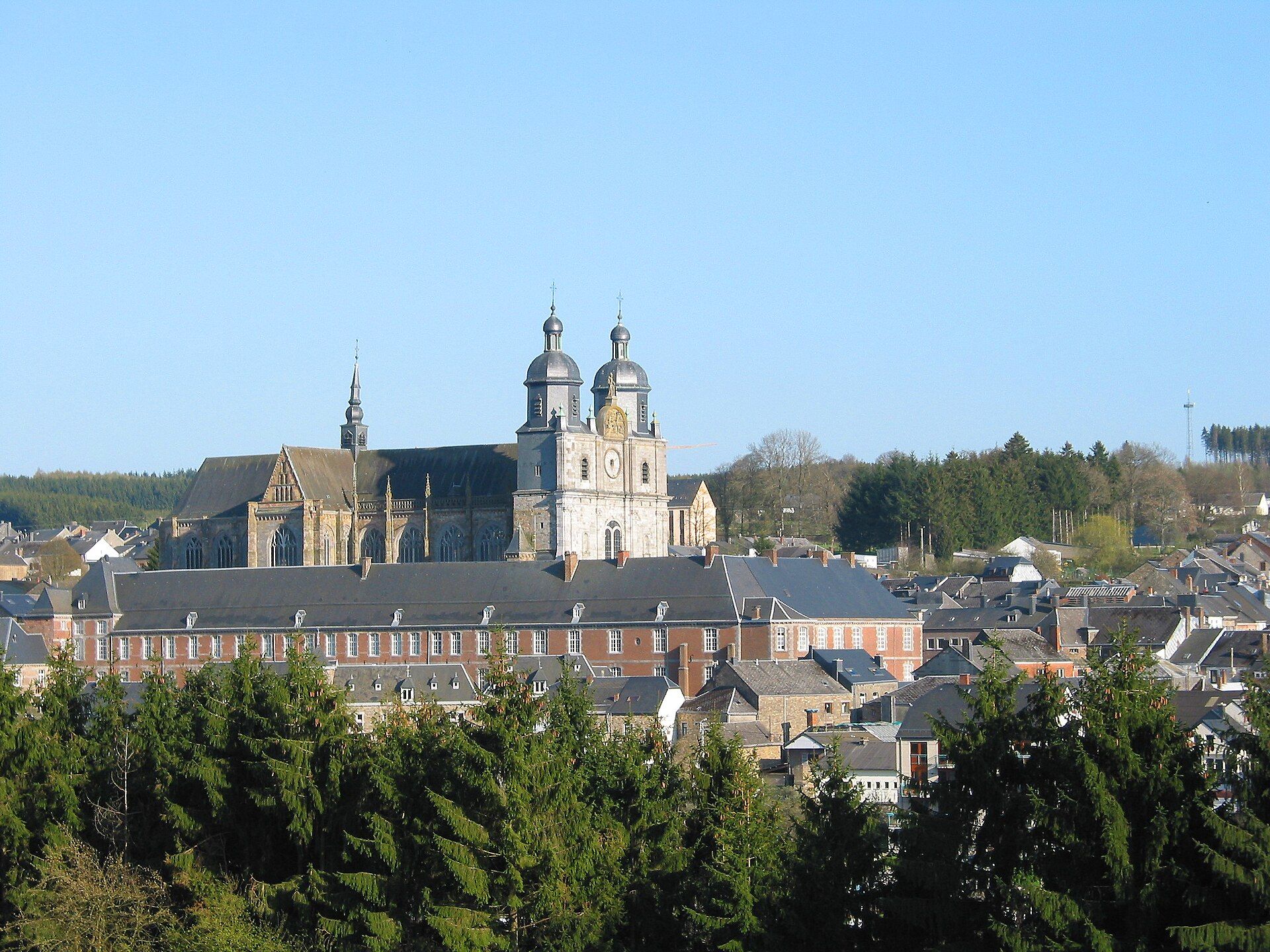
In 825 his relics were moved to the abbey of Andage, deep in the Ardennes. Around that abbey grew the small town that now bears his name: Saint-Hubert. Hubert became the patron saint of hunters. Around 3 November the town celebrates him with a sung mass, hunting horns and the blessing of animals.
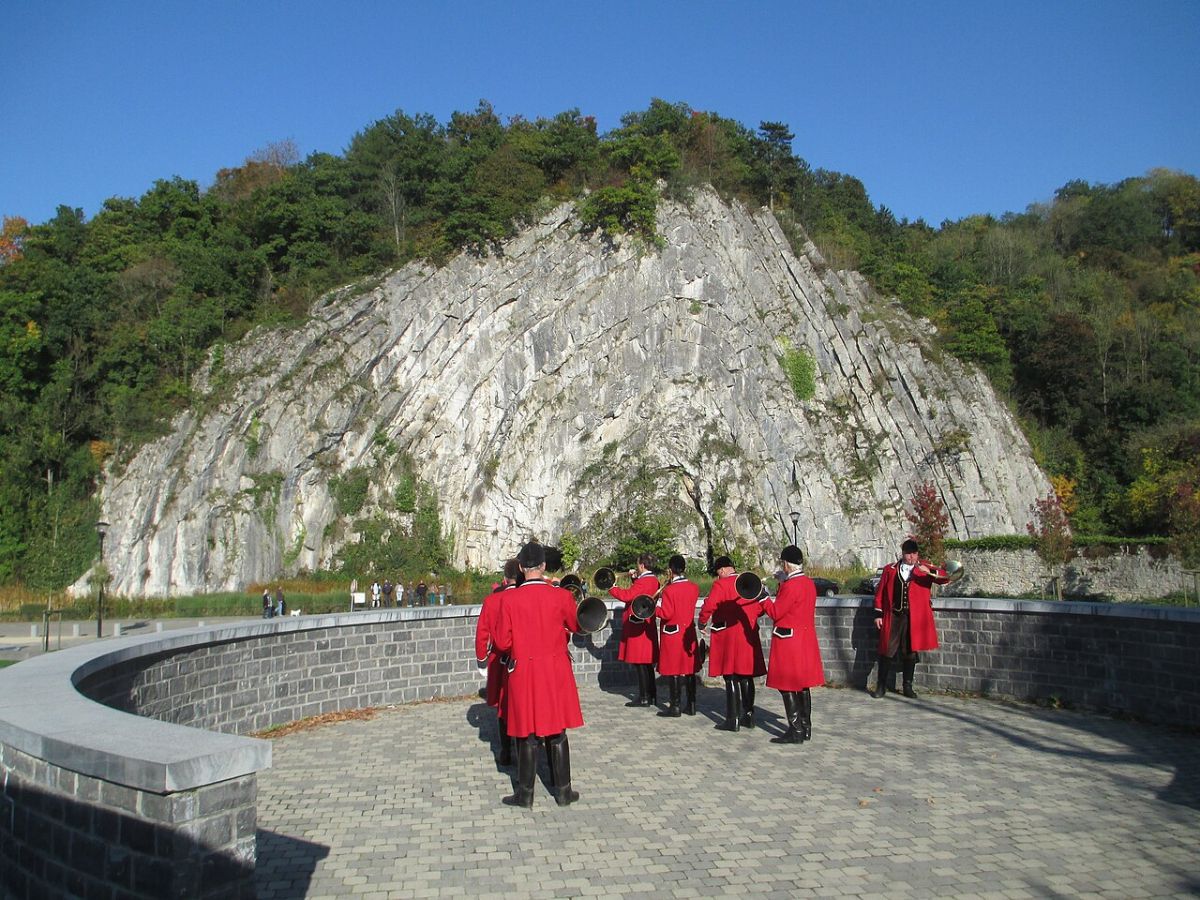
Horn players of the Débuché de Vielsalm: the hunting horn as living heritage.
The language of the horn
The large round trompe de chasse took its shape at the French court and became the voice of the hunt. Each fanfare had a meaning: the start, the direction, the end. Saint-Hubert calls itself the international capital of the hunting horn, and groups of sonneurs across the region keep the sound alive.
Hear a horn over a valley on an autumn evening and you understand why: the sound carries far and lingers between the hills, somewhere between joy and longing.
Hunting today
Today hunting in Wallonia is strictly regulated. The Walloon government sets opening and closing dates for each species. Hunters also help manage deer and wild boar numbers, which have few natural predators and can weigh heavily on forests and crops. At the same time hunting remains a subject on which people disagree, and that is fine.
In autumn the forest also belongs to the stag. From mid-September to mid-October it is the rut, le brame du cerf. At dusk the raw bellowing rolls over the plateaus, one of the most striking nature sounds in Europe.